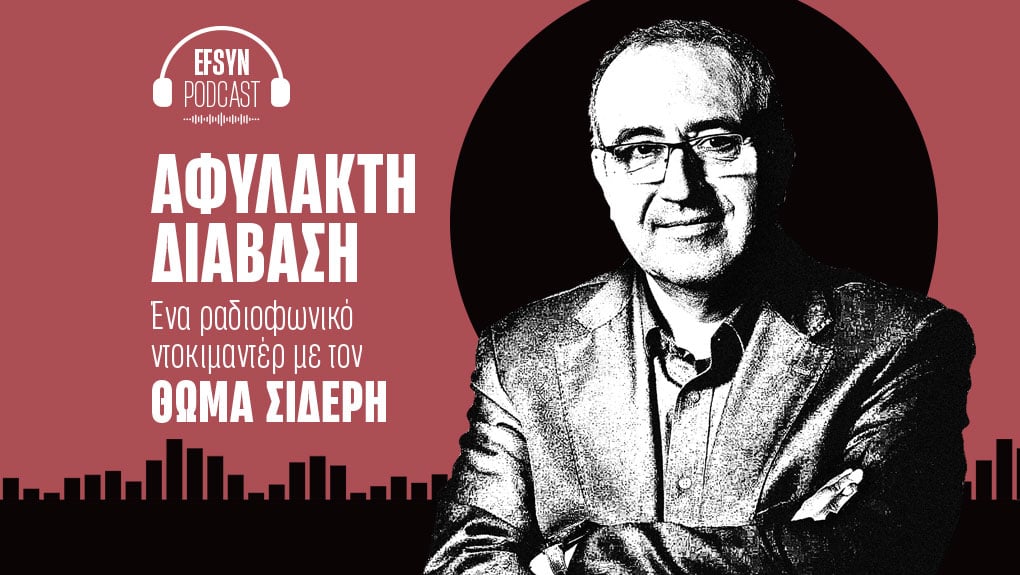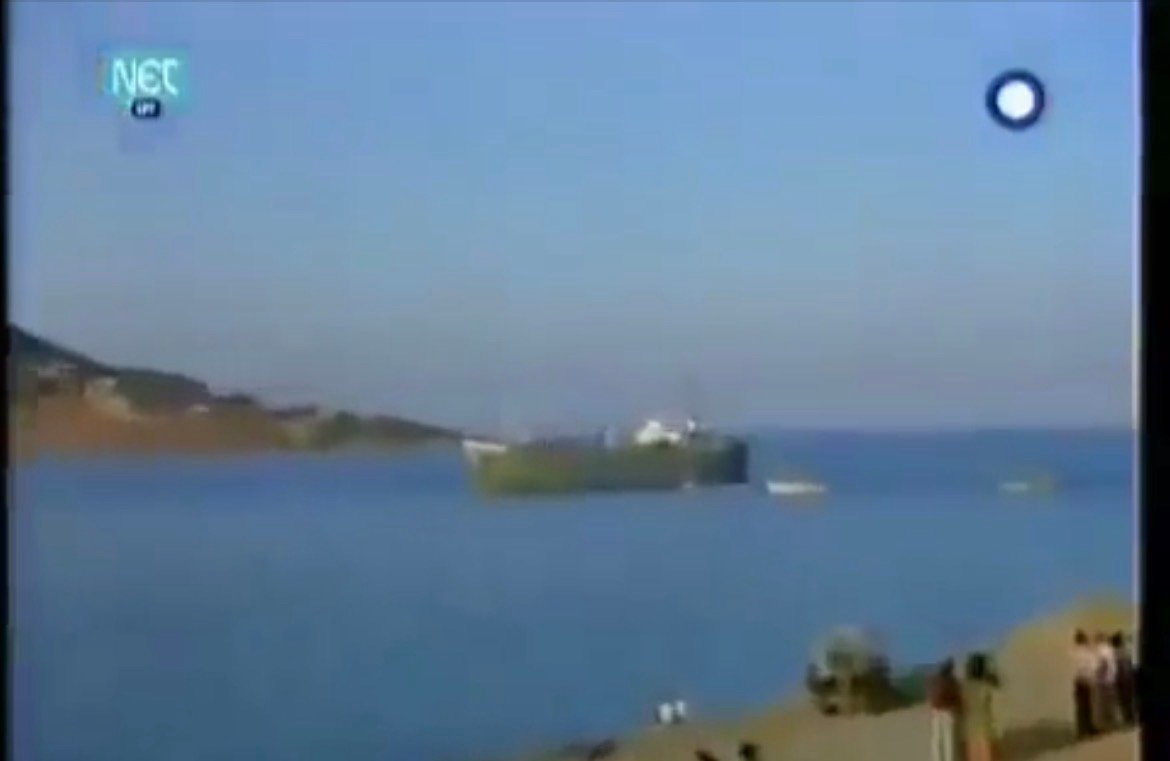



Αφύλακτη Διάβαση: Η Τελευταία Διαδρομή – Υπόθεση Κώστα Μανιουδάκη
Η «Αφύλακτη Διάβαση» ανοίγει ξανά τον φάκελο της αστυνομικής βίας στην Ελλάδα.

Η «Αφύλακτη Διάβαση» ανοίγει ξανά τον φάκελο της αστυνομικής βίας στην Ελλάδα.

Στο 14ο επεισόδιο του Παρατηρητηρίου Συνοχής, η ανταποκρίτρια της «Εφ.Συν.» στις Βρυξέλλες Μαρία Ψαρά, με μεστό και καθαρό λόγο, εξηγεί τις «παγίδες» του

24 Ώρες | Σ6 Επεισόδιο 18 | Μια ιστορία του 1974 με συγκινήσεις και αποκαλύψεις | 09/03/24

Ιούλης της προδοσίας και του ξεριζωμού: Μαρτυρίες πολεμιστών του 1974

361 Τάγμα Πεζικού – Κύπρος 1974 – Ντοκιμαντέρ Χαραυγής

⚫ ΚΥΠΡΟΣ: Οι μαύρες μέρες του 1974

1974 Ατιμώρητο έγκλημα – part 1

Μέρες πραξικοπήματος. Ιάκωβος Παπακώστας.

“ΤΟ ΠΡΑΞΙΚΟΠΗΜΑ” | Μέρος Α’ |
Γεια σας και καλωσήρθατε στο WeeGreek Podcast! Hello and welcome to the WeeGreek Podcast by Alcibiades! The only place to learn Greek and develop your fluency through weekly short stories and news from all around the world, in easy and simply Greek! I am Alcibiades the creator of Alcibiades-Greek Online Lessons and I want to help you learn and practice Greek! Short articles and stories in simple Greek in 2 different levels, accompanied by the English translation! If you want to listen to them first and get full access to all the short stories (the Greek transcripts, the Vocabulary Lists, access to the Quizlet sets, the full english translation, the audio files/narration etc.) please consider to support me on patreon.com/weegreek. Your support will make me keep uploading new quality content constantly! THIS IS A BONUS EPISODE ABOUT THE CARNIVAL IN GREECE! You can continue supporting our Project on Patreon! As always you will listen to the Greek article twice and then follows the english translation of the same story! So listen carefully to the Greek part and then you can always check what you understood when it’s time to listen to the English one! Here is the story on Patreon: Οι Απόκριες (το καρναβάλι) στην Ελλάδα = The Carnival in Greece (Level 2)
Γεια σας και καλωσήρθατε στο WeeGreek Podcast! Hello and welcome to the WeeGreek Podcast by Alcibiades! The only place to learn Greek and develop your fluency through weekly short stories and news from all around the world, in easy and simply Greek! I am Alcibiades the creator of Alcibiades-Greek Online Lessons and I want to help you learn and practice Greek! Short articles and stories in simple Greek in 2 different levels, accompanied by the English translation! If you want to listen to them first and get full access to all the short stories (the Greek transcripts, the Vocabulary Lists, access to the Quizlet sets, the full english translation, the audio files/narration etc.) please consider to support me on patreon.com/weegreek. Your support will make me keep uploading new quality content constantly! New episodes are coming by WeeGreek and Alcibiades-Greek Online Lessons, so stay tuned! You can continue supporting our Project on Patreon! As always you will listen to the Greek article twice and then follows the english translation of the same story! So listen carefully to the Greek part and then you can always check what you understood when it’s time to listen to the English one! The stories/news by order in this episode (which you can find in patreon.com/weegreek): 1) Ο Πυρετός του Χρυσού = The Gold Rush (Level 2) 2) Σήμα από το Διάστημα = Space signal (Level 2) 3) Η διώρυγα του Παναμά = Panama Canal (Level 2) Do you want to access to tons of FREE resources, learn and practice Greek daily and connect with Alcibiades-Greek Online Lessons Community? Then click this link and find all the info you are looking for here https://linktr.ee/alcibiadesgreek Subscribe to our mail list and get FREE resources to learn and practice greek daily -> https://bit.ly/3mdzLoq Are you on Facebook? Then don’t waste time and join our new FB Community where you can practice daily with quizzes, vocabulary tips, tools and many more resources of Greek language! Join us here -> https://bit.ly/2Y1LHjx WeeGreek by Alcibiades now offers FREE ZOOM Group speaking sessions for EVERYONE! Learn more by joining our Facebook Group or our Patreon Community!
Γεια σας και καλωσήρθατε στο WeeGreek Podcast! Hello and welcome to the WeeGreek Podcast by Alcibiades! The only place to learn Greek and develop your fluency through weekly short stories and news from all around the world, in easy and simply Greek! I am Alcibiades the creator of Alcibiades-Greek Online Lessons and I want to help you learn and practice Greek! Short articles and stories in simple Greek in 2 different levels, accompanied by the English translation! If you want to listen to them first and get full access to all the short stories (the Greek transcripts, the Vocabulary Lists, access to the Quizlet sets, the full english translation, the audio files/narration etc.) please consider to support me on patreon.com/weegreek. Your support will make me keep uploading new quality content constantly! New episodes are coming by WeeGreek and Alcibiades-Greek Online Lessons, so stay tuned! You can continue supporting our Project on Patreon! As always you will listen to the Greek article twice and then follows the english translation of the same story! So listen carefully to the Greek part and then you can always check what you understood when it’s time to listen to the English one! The stories/news by order in this episode (which you can find in patreon.com/weegreek): 1) Ο Πυρετός του Χρυσού = The Gold Rush (Level 1) 2) Σήμα από το Διάστημα = Space signal (Level 1) 3) Η διώρυγα του Παναμά = Panama Canal (Level 1) Do you want to access to tons of FREE resources, learn and practice Greek daily and connect with Alcibiades-Greek Online Lessons Community? Then click this link and find all the info you are looking for here https://linktr.ee/alcibiadesgreek Subscribe to our mail list and get FREE resources to learn and practice greek daily -> https://bit.ly/3mdzLoq Are you on Facebook? Then don’t waste time and join our new FB Community where you can practice daily with quizzes, vocabulary tips, tools and many more resources of Greek language! Join us here -> https://bit.ly/2Y1LHjx WeeGreek by Alcibiades now offers FREE ZOOM Group speaking sessions for EVERYONE! Learn more by joining our Facebook Group or our Patreon Community!
Γεια σας και καλωσήρθατε στο WeeGreek Podcast! Hello and welcome to the WeeGreek Podcast by Alcibiades! The only place to learn Greek and develop your fluency through weekly short stories and news from all around the world, in easy and simply Greek! I am Alcibiades the creator of Alcibiades-Greek Online Lessons and I want to help you learn and practice Greek! New episodes every week with stories in simple Greek in 2 different levels, accompanied by the English translation! If you want to listen to them first and get full access to all the short stories (the Greek transcripts, the Vocabulary Lists, access to the Quizlet sets, the full english translation, the audio files/narration etc.) please consider to support me on patreon.com/weegreek. Your support will make me keep uploading new quality content constantly! Thank you very much for supporting us in 2020 and 2021! I hope you enjoyed our Podcast so far! We will continue to provide you with Free Podcasts Episodes in 2022 and we hope you can help us by supporting our project on Patreon! More Good things are about to come by WeeGreek and Alcibiades-Greek Online Lessons, so stay tuned! You can continue supporting our Project on Patreon! Welcome to the 5th episode/Level 2 of the 2nd season for the WeeGreek Podcast! As always you will listen to the greek article twice and then follows the english translation of the same story! So listen carefully to the Greek part and then you can always check what you understood when it’s time to listen to the English one! The stories/news by order in this episode (which you can find in patreon.com/weegreek): 1) Άντρας με καρδιά από γουρούνι = Man with a pig’s heart (Level 2) 2) Ο 1ος Τζαμαϊκανός σκιέρ σε Ολυμπιακούς Αγώνες = The 1st Jamaican skier in the Olympics (Level 2) 3) Μια υποθαλάσσια πόλη = An underwater town (Level 2) Do you want to access to tons of FREE resources, learn and practice greek daily and connect with Alcibiades-Greek Online Lessons Community? Then click this link and find all the info you are looking for here https://linktr.ee/alcibiadesgreek Subscribe to our mail list and get FREE resources to learn and practice greek daily -> https://bit.ly/3mdzLoq Are you on Facebook? Then don’t waste time and join our new FB Community where you can practice daily with quizzes, vocabulary tips, tools and many more resources of Greek language! Join us here -> https://bit.ly/2Y1LHjx
Γεια σας και καλωσήρθατε στο WeeGreek Podcast! Hello and welcome to the WeeGreek Podcast by Alcibiades! The only place to learn Greek and develop your fluency through weekly short stories and news from all around the world, in easy and simply Greek! I am Alcibiades the creator of Alcibiades-Greek Online Lessons and I want to help you learn and practice Greek! New episodes every week with stories in simple Greek in 2 different levels, accompanied by the English translation! If you want to listen to them first and get full access to all the short stories (the Greek transcripts, the Vocabulary Lists, access to the Quizlet sets, the full english translation, the audio files/narration etc.) please consider to support me on patreon.com/weegreek. Your support will make me keep uploading new quality content constantly! Thank you very much for supporting us in 2020 and 2021! I hope you enjoyed our Podcast so far! We will continue to provide you with Free Podcasts Episodes in 2022 and we hope you can help us by supporting our project on Patreon! More Good things are about to come by WeeGreek and Alcibiades-Greek Online Lessons, so stay tuned! You can continue supporting our Project on Patreon! As always you will listen to the greek article twice and then follows the english translation of the same story! So listen carefully to the Greek part and then you can always check what you understood when it’s time to listen to the English one! The stories/news by order in this episode (which you can find in patreon.com/weegreek): 1) Άντρας με καρδιά από γουρούνι = Man with a pig’s heart (Level 1) 2) Ο 1ος Τζαμαϊκανός σκιέρ σε Ολυμπιακούς Αγώνες = The 1st Jamaican skier in the Olympics (Level 1) 3) Μια υποθαλάσσια πόλη = An underwater town (Level 1) Do you want to access to tons of FREE resources, learn and practice greek daily and connect with Alcibiades-Greek Online Lessons Community? Then click this link and find all the info you are looking for here https://linktr.ee/alcibiadesgreek Subscribe to our mail list and get FREE resources to learn and practice greek daily -> https://bit.ly/3mdzLoq Are you on Facebook? Then don’t waste time and join our new FB Community where you can practice daily with quizzes, vocabulary tips, tools and many more resources of Greek language! Join us here -> https://bit.ly/2Y1LHjx
Γεια σας και καλωσήρθατε στο WeeGreek Podcast! Hello and welcome to the WeeGreek Podcast by Alcibiades! The only place to learn Greek and develop your fluency through weekly short stories and news from all around the world, in easy and simply Greek! I am Alcibiades the creator of Alcibiades-Greek Online Lessons and I want to help you learn and practice Greek! New episodes every week with stories in simple Greek in 2 different levels, accompanied by the English translation! If you want to listen to them first and get full access to all the short stories (the Greek transcripts, the Vocabulary Lists, access to the Quizlet sets, the full english translation, the audio files/narration etc.) please consider to support me on patreon.com/weegreek. Your support will make me keep uploading new quality content constantly! Welcome to the Christmas Special Episode of Season 2 for the WeeGreek Podcast! This time, the stories are of Level 1 and 2 so you can all learn about Christmas in Greece and our traditions! Thank you very much for supporting us in 2020 and 2021! I hope you enjoyed our Podcast so far! We will continue to provide you with Free Podcasts Episodes in 2022 and we hope you can help us by supporting our project on Patreon! More Good things are about to come by WeeGreek and Alcibiades-Greek Online Lessons, so stay tuned! You can continue supporting our Project on Patreon! As always you will listen to the greek article twice and then follows the english translation of the same story! So listen carefully to the Greek part and then you can always check what you understood when it’s time to listen to the English one! The stories/news by order in this episode (which you can find in patreon.com/weegreek): 1) Το χριστουγεννιάτικο σαλόνι = The Christmas living room (Level 1) 2) Χριστουγεννιάτικο κλίμα = Christmas Vibes (Level 1 and 2) 3) Το έθιμο της βασιλόπιτας = The tradition of the New Year’s pie (Level 1 and 2) 4) Το έθιμο του ροδιού = The pomegranate tradition (Level 2) 5) Τα Θεοφάνεια = Epiphany (Level 1 and 2) Do you want to access to tons of FREE resources, learn and practice greek daily and connect with Alcibiades-Greek Online Lessons Community? Then click this link and find all the info you are looking for here https://linktr.ee/alcibiadesgreek Subscribe to our mail list and get FREE resources to learn and practice greek daily -> https://bit.ly/3mdzLoq Are you on Facebook? Then don’t waste time and join our new FB Community where you can practice daily with quizzes, vocabulary tips, tools and many more resources of Greek language! Join us here -> https://bit.ly/2Y1LHjx
Ο Χάρης Συμβουλίδης - Συγγραφέας, Ραδιοφωνικός Παραγωγός & Κριτικός ΜουσικήςPhd στην Ιστορία του 20ου αιώνα.
With the summer season in full swing, it’s not just vacations, the islands, and pristine beaches that are top of mind for Greeks. Global uncertainty, crises in the Middle East, a cost of living crisis, and the specter of touristification remain key concerns, and tackling these challenges is going to be tricky as Greece inches toward national elections. The economy is obviously at the heart of many discussions, and while Greece is on a much stronger financial footing today than in the previous decade, it will still need to move carefully if it’s going to weather the twin storms of global uncertainty and political changes at home. That’s the focus of the Greek government as Prime Minister Mitsotakis engages with voters across the country and prepares an economic package for the Thessaloniki International Fair in September, one that he hopes will boost his party’s chances in the elections. A key element of this discussion is also inevitably going to be whether Greece’s key industries - tourism and shipping - can continue to serve as drivers of economic growth. When it comes to tourism, Greece has seen record numbers of visitors over the years. This success, however, is also raising important concerns about over-tourism, even on more remote Cycladic islands like Amorgos. When it comes to shipping, Greece’s global position is unquestionable, and Greek ships are critical for the global economy. Much of this success comes down to a long tradition of seamanship, but also to a unique development in the 20th century involving the US in the wake of World War II. Thanos Davelis digs into all of these issues and stories this week with experts Wolfango Piccoli, Nick Malkoutzis, Alia Malek, and John Psaropoulos. A little more info on our guests: Wolfango Piccoli is the head of geopolitics at the London-based CEO and board advisory firm Consello. Nick Malkoutzis is the co-founder of Macropolis.gr. Alia Malek is an author and journalist whose story "Breaking Ground: A road, a port, and the specter of touristification on the small Greek island of Amorgos" was recently published. John Psaropoulos is an independent journalist, Al Jazeera's correspondent in southeast Europe, and publisher of Hellenica on Substack. You can support The Greek Current by joining HALC as a member here.
On July 20th we marked 52 years since phase one of Turkey’s invasion of Cyprus. For 52 years, Turkey has never been held accountable for this illegal invasion and occupation, for the division it imposed on the island, or for the lives and communities it shattered. Today, despite international condemnation, UN resolutions, and calls for negotiations, the Cyprus issue remains one of the world's longest-running unresolved challenges. While progress toward a solution has been elusive over the last five decades, reports indicate there is a new effort afoot to revive peace talks as UN Secretary General Antonio Guterres prepares to visit Cyprus in the coming days. Turkey’s invasion of Cyprus was also part of the discussion at the European Parliament this month, as the European Parliament adopted a resolution on the impact of Turkey’s 1974 invasion on Cypriot women and girls. This is seen as an important step acknowledging Cypriot women’s experiences of violence during the invasion, including sexual violence, that can hopefully open the door for survivors to speak and be heard openly and safely. The Cyprus invasion isn’t just an open wound for the island, but for the Greek diaspora. 1974 was a major turning point, especially in the US, as Greek-Americans mobilized across the country, becoming politically active and advocating in Washington, DC for justice. Andrew Novo, Harris Georgiades, Natalie Alkiviadou, and Alexander Kitroeff join Thanos Davelis as we look into both phases of Turkey’s invasion of Cyprus in 1974, whether we could be seeing a new push from the UN for talks, the importance of the European Parliament’s resolution on the impact of Turkey’s invasion on Cypriot women, and how the Cyprus invasion mobilized the Greek American community. A little more info on our guests: Andrew Novo is a professor of strategic studies at the National Defense University and adjunct professor at Georgetown University's Walsh School of Foreign Service and Johns Hopkins University's School of Advanced International Studies. Harris Georgiades is Chairman of the Foreign and European Affairs Committee of Cyprus’ Parliament, Chairman of the “Clerides Institute”, and a former Minister of Finance. Dr. Natalie Alkiviadou is a Senior Research Fellow at the Future of Free Speech project at Vanderbilt University. Alexander Kotroeff is a professor of history with an expertise in Greece and the diaspora. You can support The Greek Current by joining HALC as a member here.
Christopher Nolan’s adaptation of The Odyssey hit the big screen this week. Whether you are a fan of Nolan’s work or not, the reactions and debates we’ve seen across the board remind us of Homer’s immortal appeal, and why the story of Odysseus’ return to Ithaca has captivated audiences around the world for three millennia. As Daniel Mendelsohn wrote recently, “The Odyssey is a remarkably contemporary story not only because of its hero, but because of the nature of the world around him..” a “postwar world where the old certainties have disappeared.” Those watching current events unfold may have a similar feeling these days. With the ceasefire with Iran breaking down, we’re left with a good amount of uncertainty over what comes next. This is true for the Strait of Hormuz, for the Gulf, and by extension for the Eastern Mediterranean. Bringing us to Greece, this uncertainty is playing out on the political scene, where debates about early elections are picking up steam, while SYRIZA, which was once in government, has been in free fall over the last years. A new round of resignations this week has many pondering if the party has completed its historical cycle. In the spirit of Odysseus’ travels across the Mediterranean, we’re also heading to Turkey, where Ankara and Cairo took steps to deepen their ties when it comes to their defense cooperation and the defense industry. Daniel Mendelsohn, Elisa Catalano Ewers, Nikos Konstantaras, and Vassilis Nedos join Thanos Davelis as we look into the timeless appeal of The Odyssey, the collapse of the ceasefire with Iran and its wider ramifications, the lessons from SYRIZA’s rise and fall, and the rapprochement between Turkey and Egypt. A little more info on our guests: Daniel Mendelsohn is the author of “An Odyssey: A Father, a Son, and an Epic”, whose translation of "The Odyssey” was published in paperback this spring. Elisa Catalano Ewers is a Senior Fellow for Middle East Studies at the Council on Foreign Relations. Nikos Konstandaras is a columnist with Kathimerini. Vassilis Nedos is Kathimerini's diplomatic and defense editor. You can support The Greek Current by joining HALC as a member here.
President Trump caused a stir this week at the NATO summit as he praised the host, Turkish President Erdogan, and said he was willing to lift sanctions on Turkey and sell Ankara F-35 fighter jets. These comments saw an immediate reaction on Capitol Hill as members of Congress urged House Majority Leader Steve Scalise and House Democratic Leader Hakeem Jeffries to be prepared to use every legislative tool available to prevent Turkey’s reinstatement into the F-35 program, reminding them that US law prohibits the transfer of F-35s to Turkey unless Ankara no longer possesses the Russian S-400 system. In the meantime, new reports emerged on Friday that a deal could be taking shape that would see Turkey transfer its S-400 missiles to an unnamed Gulf country in order to convince Washington to lift sanctions and pave the way for its re-entry into the F-35 program. F-35s were not the only item on the NATO summit agenda making headlines. As reporters on the ground have noted, NATO leaders were also making quiet progress on a new kind of NATO that will see them take on more and more responsibility for the defense of Europe. Something that unfortunately, but predictably, did not receive the attention it deserves as world leaders gathered in Ankara was Turkey’s alarming human rights record. Endy Zemenides, Steven Erlanger, Steven Cook, and Tyler Stapleton join Thanos Davelis this week as we explore the main takeaways from the NATO summit in Ankara, break down President Trump’s comments on selling F-35s to Turkey, discuss Western hypocrisy when it comes to human rights in Turkey, and look at the latest reports that a deal could be in play over the S400s. A little more info on our guests: Endy Zemenides is HALC's Executive Director. Steven Erlanger is the chief diplomatic correspondent for The New York Times covering Europe. Steven Cook is the Eni Enrico Mattei Senior Fellow for Middle East and Africa Studies at the Council on Foreign Relations. Tyler Stapleton is the senior director of government relations at FDD Action. You can support The Greek Current by joining HALC as a member here.
In a few days Turkey will play host to NATO’s leaders for a high-stakes summit that some anticipate could be historic. The two main protagonists at the summit will be President Trump, who has consistently slammed NATO since his return to office, and Turkish President Erdogan, who is likely to use this summit to present himself as an indispensable ally and attempt to legitimize his harsh crackdown on political dissent. In the buildup to the summit we’ve seen President Trump approve a $700 million arms sale to Turkey of fighter jet engines, a move that’s seen as a “gift” to Erdogan. Vice President JD Vance has also raised eyebrows calling for a legal review of whether the conditions exist for a future transfer of F-35 fighter jets to Ankara. Both moves have caused a stir in Congress, and a joint resolution of disapproval was introduced in the House looking to block the sale of jet engines. In the buildup to the summit we’ve also seen reports that Turkey is planning to allow the reopening, after more than 50 years, of Halki Theological seminary. The reports follow a meeting between Ecumenical Patriarch Bartholomew and Turkey’s Erdogan, and it is expected that the issue will feature during President Trump’s meeting with Erdogan on the sidelines of the summit. Looking beyond this upcoming summit, this past month also marked 10 years since voters in the UK voted for Brexit. Brexit and Grexit - which was something many thought could be a possibility at the height of the financial crisis in Greece - had dominated the headlines at the time. Today, as the UK prepares for its seventh prime minister in 10 years, the trajectories of both countries couldn’t be starker. Aaron Stein, Ino Afentouli, Elizabeth Prodromou, and Simon Nixon join Thanos Davelis as we take a closer look at the stakes ahead of the NATO summit in Ankara, President Trump’s move to sell fighter jet engines to Turkey, reports that Halki seminary could reopen, and the lessons from Greece ten years after Brexit. A little more info on our guests: Aaron Stein is the President of the Foreign Policy Research Institute. Ino Afentouli is a Senior Policy Advisor and Head of the Observatory of Geopolitics and Diplomacy at ELIAMEP. Dr. Elizabeth Prodromou is an expert on religious freedom issues and cultural heritage and a former vice chair and commissioner of the US Commission on International Religious Freedom. Simon Nixon is an independent journalist, Kathimerini columnist, and the publisher of the Wealth of Nations newsletter. You can support The Greek Current by joining HALC as a member here.
This week marked 30 years since Andreas Papandreou, the founder and longtime leader of the Panhellenic Socialist Movement - PASOK, passed away, and Greeks are taking this opportunity to reassess his legacy. Consistently ranked among the most influential leaders of the post-junta era in Greece, Papandreou left his mark on Greek politics and society. Supporters will point to a charismatic leader who gave voice to the “unprivileged”, while his opponents slam him as a populist whose decisions continue to weigh on Greece. Regardless of where one falls on this spectrum, it’s undeniable that his impact on the country was profound. Harris Mylonas, Kostis Kornetis, Alan Makovsky, and Lambrini Rori join Thanos Davelis as we dig into Andreas Papandreou’s legacy, exploring what brought him to power, how he reshaped Greece’s political culture after the collapse of the dictatorship, his controversial approach to diplomacy and how this impacted US-Greece relations, and his lasting legacy in Greek politics today. A little more info on our guests: Harris Mylonas is a Professor of Political Science and International Affairs at George Washington University’s Elliott School and the producer of the documentary “Searching for Andreas”. Kostis Kornetis is an assistant professor of contemporary history at the Autonomous University of Madrid, a lead historian at Greece’s National Research Institute, and author of the books A Collective Biography of Southern European Democratization and Children of the Dictatorship. Alan Makovsky is a senior fellow for National Security and International Policy at the Center for American Progress who worked in the State Department from 1983 to 1994, where he covered southern Europe, including Greece, at the height of the Papandreou era. Lambrini Rori is an assistant professor of political analysis at the University of Athens. You can support The Greek Current by joining HALC as a member here.
In today’s episode, government officials pledged new measures to address distortions in public contract awards, following an Audit Office report showing that a few firms dominate state projects. Elsewhere, operations at Limassol port resumed on Thursday after the heads of category A transporters’ associations agreed to suspend strike action following consultations with President Nikos Christodoulides and Transport Minister Alexis Vafeades.Also, Parliament passed a law tightening up the rules on owning certain types of firearms, giving the chief of police total discretion on the granting of gun permits.All this and more in today’s Daily News Briefing brought to you by the Cyprus Mail Newspaper.
In today’s episode, trade unions on Wednesday accepted the government’s proposal for the future of the cost-of-living allowance (CoLA), before employers’ organisations promptly rejected it.Elsewhere, President Nikos Christodoulides and Foreign Minister Constantinos Kombos on Wednesday both discussed relations between the European Union and Turkey with the bloc’s foreign affairs chief Kaja Kallas.Turkish Cypriot leader Tufan Erhurman’s first trip to Turkey since being elected to the office is expected to take place between Tuesday and Friday next week, the Cyprus Mail understands.All this and more in today’s Daily News Briefing brought to you by the Cyprus Mail Newspaper.
In today’s episode, President Nikos Christodoulides has set a target for Cyprus to achieve water self-reliance by 2028 through the installation of two permanent desalination units. Elsewhere, the findings of several high-profile corruption investigations are set to be released this month.Also, a report by the Audit Office found that the Social Support Fund, chaired by the First Lady and financed by private donors, raises concerns over possible conflicts of interest.All this and more in today’s Daily News Briefing brought to you by the Cyprus Mail Newspaper.
The Cyprus Beat briefing brought to you by the Cyprus Mail.
In today’s episode, President Nikos Christodoulides called for an “immediate” response from parliament to pass his tax reform plans into law, to allow them to be implemented by the beginning of next year.President Nikos Christodoulides also told new United Nations special representative in Cyprus Khassim Diagne of his “political will” to “create the appropriate conditions for the resumption of talks” to solve the Cyprus problem.Elsewhere, Transport Minister Alexis Vafeades and the commissioner for gender equality Josie Christodoulou welcomed on Wednesday the installation of new female silhouettes on pedestrian traffic lights in Nicosia.All this and more in today’s Daily News Briefing brought to you by the Cyprus Mail Newspaper.
Dr. Louise Steel is an archaeologist whose work focuses on challenging colonial interpretations of Cypriot history by emphasizing the agency of the local population. Through postcolonial theory, she encourages a re-evaluation of Cyprus not as a passive recipient of outside influence, but as an active participant in Bronze Age interconnectivity--especially through trade and cultural exchange. She uses the concept of the "Third Space" to frame Cyprus as a dynamic cultural middle ground, particularly during the Late Bronze Age, when the island thrived through the copper trade and maintained complex, often peaceful, relationships with powers like Egypt. Dr. Steel highlights Enkomi as a prime example of this hybridity: a site marked by elite tombs, Egyptian imports like scarabs and broad collars, and signs of status and identity shaped through interaction rather than domination. Her work invites further inquiry into how material culture reveals the identities and social lives of Cypriots in this pivotal era.
In the early 11th century BCE, the Egyptian official Wen-Amun was dispatched on a diplomatic mission to Byblos to acquire timber for the sacred barque of Amun-Ra. His journey quickly unraveled -- pursued by the Tjekker, one of the Sea Peoples active in the region -- Wen-Amun was blown off course and landed in Alashiya (Cyprus). There, he faced a hostile reception, as the locals approached seemingly intent on violence. Brought before Princess Hatiba, Wen-Amun, desperate and stranded, called out to see if anyone could understand Egyptian. Remarkably, one man stepped forward to translate his plea. At this pivotal moment, the narrative breaks off, leaving Wen-Amun’s fate unknown. Yet his misadventure offers a striking glimpse into Egypt’s waning influence abroad and the diplomatic uncertainty of the time. At the same time, the presence of an Egyptian speaker in Cyprus points to the deep interconnectivity of the Late Bronze Age world -- an idea we’ll explore further in our next episode with Dr. Louise Steel, as we examine the ties between Cyprus and Egypt during this formative period.
Lately I've been seeing a growing number of memes pointing out the "blink-and-you'll-miss-it" references to the Sea Peoples in Christopher Nolan's The Odyssey. It's encouraging to see one of the ancient Mediterranean's most enduring mysteries finding its way into popular culture.In light of that renewed interest, I thought this would be a good opportunity to publish a dramatized reading of one of the most remarkable collections of texts from the end of the Bronze Age: the correspondence between the kings of Ugarit and Alashiya (ancient Cyprus).These exchanges are preserved in the Ugaritica, the published corpus of cuneiform tablets excavated at the ancient city of Ugarit (modern Ras Shamra, Syria). Discovered beginning in 1928, these archives comprise thousands of administrative, literary, diplomatic, and economic texts dating primarily to the 14th and 13th centuries BCE. Among them are letters exchanged between rulers across the eastern Mediterranean, offering an extraordinarily intimate glimpse into the political world immediately preceding the Bronze Age Collapse.The particular correspondence dramatized here* belongs to the final decades of the 13th century BCE, when the great palace kingdoms of the eastern Mediterranean were under increasing pressure. Trade networks were breaking down, kingdoms were falling, and the groups later known collectively as the "Sea Peoples" were beginning to appear in the historical record. These letters capture that world at the very moment it was beginning to unravel.I chose these exchanges because they reveal something important about the international standing of Alashiya. One of the most striking features is the diplomatic language employed by the king of Ugarit. He repeatedly addresses the king of Alashiya as "my father." This is not merely a polite turn of phrase. In the carefully calibrated language of Late Bronze Age diplomacy, such terms reflected perceived status and hierarchy. Contrast this with the famous correspondence between the kings of Alashiya and the Egyptian pharaohs, in which both rulers consistently address one another as "my brother." That title denoted equality among the so-called "Great Kings" of the Late Bronze Age. The differing forms of address suggest that, at least from Ugarit's perspective, the king of Alashiya occupied a position of exceptional prestige.That prestige was no accident. Cyprus possessed the eastern Mediterranean's richest copper resources, and copper was one of the indispensable commodities of the Bronze Age. Combined with tin, it produced bronze--the metal upon which armies, agriculture, tools, trade, and prestige depended. To command Cyprus was to command one of the ancient world's most strategically important resources, making Alashiya a kingdom whose influence extended far beyond the island itself.If these dramatizations spark your curiosity about Cyprus' central role in the Bronze Age, you may also enjoy these episodes of the History of Cyprus Podcast:Episode 7: Gripped by the Hand of Nergal: Cyprus in the Bronze Age — with Louise Hitchcock (2 October 2022) Episode 8: A Cyprocentric Perspective: Cyprus' History of Research — with Maria Iacovou (2 November 2022) Episode 14: The Copper Island: Copper Production in Ancient Cyprus — with Lina Kassianidou (2 May 2023) Episode 24: King Kinyras and the Cypria: Cyprus in the Homeric World — with John Franklin (2 March 2024) Episode 25: 1177 BC: The Year Civilization Collapsed — with Eric Cline Bonus Episode: Surfaces, Surveys and Spatiotemporal Dynamics: The Hala Sultan Tekke Hinterland Project — with Jan Coenaerts and Polte De Weirdt (10 May 2025) Episode 47: Signs, Scripts & Silence: Cypro-Minoan — with Cassandra Donnelly (2 February 2026)And, coming next month (2 August):Episode 53: Fragments of Faience, Glints of Gold: Cyprus and Egypt in Contact — with Louise SteelTaken together, these conversations paint a picture of Cyprus not as a peripheral island, but as one of the principal actors in the political, economic, and cultural networks of the Late Bronze Age Mediterranean. The correspondence you'll hear in this dramatization offers a rare opportunity to listen to that world in its own words--voices exchanged across the sea just before one of history's greatest civilizational upheavals.*A brief note on the production: I've taken a few creative liberties to help bring these ancient letters to life. For example, the scratching sound you'll hear isn't entirely authentic. A more accurate soundscape would have been the impression of a stylus pressed into wet clay rather than the scratching of pen on paper. Unfortunately, convincingly recreating the sound of cuneiform being inscribed proved rather difficult, so I've opted for an approximation that hopefully conveys the spirit of the act, even if not its precise reality.
In this episode, we sit down with Christopher Batey, CTO of CECG, to explore the evolution and impact of Platform Engineering 🛠️🚀. We discuss its origins, how it empowers developers to move faster ⚡, and the three major challenges it helps solve 🧩📈.Christopher shares what it takes to become a platform engineer, the kind of background that helps, and how teams can begin implementing platform engineering in their organizations 🧑💻🏗️. We also dive into how it enforces standards and security across teams, creating consistency and resilience 🔐📋.Looking ahead, we explore the future of platform engineering and how AI might reshape its role—bringing smarter automation, deeper insights, and even more powerful developer tools 🤖🌍. Tune in for a forward-thinking conversation packed with practical advice and visionary ideas!Guest: Christopher BateySponsor: Core Engineering Consulting GroupHost: Andreas Lefkatis Powered By GDG CyprusJoin our WhatsApp GroupFollow Hack Cyprus Podcast for more!
In this episode, we chat with a Spotify engineering manager 🎧 who shares his journey into the world of machine learning 🤖 and how he grew into leading ML teams at Spotify. We dive into the Spotify engineering model, team structures 🧩, and the tools used for deploying services and managing CI/CD pipelines ⚙️🚀. He also introduces us to Backstage, Spotify’s open platform for building developer portals, and shares his hands-on experience using it internally 🛠️. Tune in for a behind-the-scenes look at how Spotify builds and scales its tech! 💡📲Σε αυτό το επεισόδιο, φιλοξενούμε έναν engineering manager από τη Spotify, ο οποίος μοιράζεται την πορεία του στον χώρο του machine learning και πώς εξελίχθηκε σε ηγέτη ομάδων ML στη Spotify 🎧. Συζητάμε το μοντέλο μηχανικής της Spotify, τη δομή των ομάδων, τα εργαλεία για ανάπτυξη υπηρεσιών και τις πρακτικές CI/CD ⚙️. Ο καλεσμένος μας αναφέρεται επίσης στο Backstage, ένα προϊόν της Spotify για developers, και την εμπειρία του από τη χρήση του εσωτερικά 🛠️. Ένα επεισόδιο γεμάτο τεχνογνωσία και πρακτικές από έναν κορυφαίο οργανισμό στον χώρο της τεχνολογίας! 🚀Guests:- Eric LangenbergSponsor:- Core Engineering Consulting GroupHost: Andreas Lefkatis Powered By GDG CyprusJoin our WhatsApp GroupFollow Hack Cyprus Podcast for more!
In this episode, we dive into the evolution of mobile development on Android and iOS, tracing the shift from native languages like Java and Objective-C to modern options like Kotlin and Swift 🧑💻📱. We explore how tools like Jetpack Compose and SwiftUI have redefined UI building, and how IDEs like Android Studio and Xcode support developers through each phase of the journey 🔧✨.Joined by mobile development experts Mike Yerou and Michalis Mavris, founders of Pale Blue, we also touch on the rise of cross-platform and hybrid frameworks like Flutter, React Native, and Kotlin Multiplatform—spotlighting the balance between efficiency and performance across ecosystems 🌐⚖️. With insights from recent innovations and tech conferences, this episode is packed with trends, tools, and everything shaping the mobile dev world 🌍🚀.Στο επεισόδιο αυτό, εξερευνούμε την εξέλιξη της ανάπτυξης εφαρμογών για κινητά σε Android και iOS, παρακολουθώντας τη μετάβαση από τις παραδοσιακές γλώσσες όπως η Java και η Objective-C στις σύγχρονες επιλογές όπως η Kotlin και η Swift 🧑💻📱. Αναλύουμε πώς εργαλεία όπως το Jetpack Compose και το SwiftUI έχουν επαναπροσδιορίσει τη δημιουργία διεπαφών χρήστη, καθώς και πώς τα IDEs όπως το Android Studio και το Xcode υποστηρίζουν τους προγραμματιστές σε κάθε στάδιο της διαδρομής 🔧✨.Με καλεσμένους τους ειδικούς στην ανάπτυξη mobile εφαρμογών Μιχάλη Γέρου και Μιχάλη Μαυρή, ιδρυτές της Pale Blue, συζητάμε επίσης την άνοδο των cross-platform και υβριδικών frameworks όπως το Flutter, το React Native και το Kotlin Multiplatform—εστιάζοντας στην ισορροπία μεταξύ αποδοτικότητας και απόδοσης στα διάφορα οικοσυστήματα 🌐⚖️. Με πληροφορίες από πρόσφατες καινοτομίες και τεχνολογικά συνέδρια, το επεισόδιο είναι γεμάτο με τάσεις, εργαλεία και όλα όσα διαμορφώνουν τον κόσμο της mobile ανάπτυξης 🌍🚀.Guests:- Mike Yerou- Michalis MavrisSponsor:- Core Engineering Consulting GroupHost: Andreas Lefkatis Powered By GDG CyprusJoin our WhatsApp GroupFollow Hack Cyprus Podcast for more!
With the summer season in full swing, it’s not just vacations, the islands, and pristine beaches that are top of mind for Greeks. Global uncertainty, crises in the Middle East, a cost of living crisis, and the specter of touristification remain key concerns, and tackling these challenges is going to be tricky as Greece inches toward national elections. The economy is obviously at the heart of many discussions, and while Greece is on a much stronger financial footing today than in the previous decade, it will still need to move carefully if it’s going to weather the twin storms of global uncertainty and political changes at home. That’s the focus of the Greek government as Prime Minister Mitsotakis engages with voters across the country and prepares an economic package for the Thessaloniki International Fair in September, one that he hopes will boost his party’s chances in the elections. A key element of this discussion is also inevitably going to be whether Greece’s key industries - tourism and shipping - can continue to serve as drivers of economic growth. When it comes to tourism, Greece has seen record numbers of visitors over the years. This success, however, is also raising important concerns about over-tourism, even on more remote Cycladic islands like Amorgos. When it comes to shipping, Greece’s global position is unquestionable, and Greek ships are critical for the global economy. Much of this success comes down to a long tradition of seamanship, but also to a unique development in the 20th century involving the US in the wake of World War II. Thanos Davelis digs into all of these issues and stories this week with experts Wolfango Piccoli, Nick Malkoutzis, Alia Malek, and John Psaropoulos. A little more info on our guests: Wolfango Piccoli is the head of geopolitics at the London-based CEO and board advisory firm Consello. Nick Malkoutzis is the co-founder of Macropolis.gr. Alia Malek is an author and journalist whose story "Breaking Ground: A road, a port, and the specter of touristification on the small Greek island of Amorgos" was recently published. John Psaropoulos is an independent journalist, Al Jazeera's correspondent in southeast Europe, and publisher of Hellenica on Substack. You can support The Greek Current by joining HALC as a member here.
On July 20th we marked 52 years since phase one of Turkey’s invasion of Cyprus. For 52 years, Turkey has never been held accountable for this illegal invasion and occupation, for the division it imposed on the island, or for the lives and communities it shattered. Today, despite international condemnation, UN resolutions, and calls for negotiations, the Cyprus issue remains one of the world's longest-running unresolved challenges. While progress toward a solution has been elusive over the last five decades, reports indicate there is a new effort afoot to revive peace talks as UN Secretary General Antonio Guterres prepares to visit Cyprus in the coming days. Turkey’s invasion of Cyprus was also part of the discussion at the European Parliament this month, as the European Parliament adopted a resolution on the impact of Turkey’s 1974 invasion on Cypriot women and girls. This is seen as an important step acknowledging Cypriot women’s experiences of violence during the invasion, including sexual violence, that can hopefully open the door for survivors to speak and be heard openly and safely. The Cyprus invasion isn’t just an open wound for the island, but for the Greek diaspora. 1974 was a major turning point, especially in the US, as Greek-Americans mobilized across the country, becoming politically active and advocating in Washington, DC for justice. Andrew Novo, Harris Georgiades, Natalie Alkiviadou, and Alexander Kitroeff join Thanos Davelis as we look into both phases of Turkey’s invasion of Cyprus in 1974, whether we could be seeing a new push from the UN for talks, the importance of the European Parliament’s resolution on the impact of Turkey’s invasion on Cypriot women, and how the Cyprus invasion mobilized the Greek American community. A little more info on our guests: Andrew Novo is a professor of strategic studies at the National Defense University and adjunct professor at Georgetown University's Walsh School of Foreign Service and Johns Hopkins University's School of Advanced International Studies. Harris Georgiades is Chairman of the Foreign and European Affairs Committee of Cyprus’ Parliament, Chairman of the “Clerides Institute”, and a former Minister of Finance. Dr. Natalie Alkiviadou is a Senior Research Fellow at the Future of Free Speech project at Vanderbilt University. Alexander Kotroeff is a professor of history with an expertise in Greece and the diaspora. You can support The Greek Current by joining HALC as a member here.
Christopher Nolan’s adaptation of The Odyssey hit the big screen this week. Whether you are a fan of Nolan’s work or not, the reactions and debates we’ve seen across the board remind us of Homer’s immortal appeal, and why the story of Odysseus’ return to Ithaca has captivated audiences around the world for three millennia. As Daniel Mendelsohn wrote recently, “The Odyssey is a remarkably contemporary story not only because of its hero, but because of the nature of the world around him..” a “postwar world where the old certainties have disappeared.” Those watching current events unfold may have a similar feeling these days. With the ceasefire with Iran breaking down, we’re left with a good amount of uncertainty over what comes next. This is true for the Strait of Hormuz, for the Gulf, and by extension for the Eastern Mediterranean. Bringing us to Greece, this uncertainty is playing out on the political scene, where debates about early elections are picking up steam, while SYRIZA, which was once in government, has been in free fall over the last years. A new round of resignations this week has many pondering if the party has completed its historical cycle. In the spirit of Odysseus’ travels across the Mediterranean, we’re also heading to Turkey, where Ankara and Cairo took steps to deepen their ties when it comes to their defense cooperation and the defense industry. Daniel Mendelsohn, Elisa Catalano Ewers, Nikos Konstantaras, and Vassilis Nedos join Thanos Davelis as we look into the timeless appeal of The Odyssey, the collapse of the ceasefire with Iran and its wider ramifications, the lessons from SYRIZA’s rise and fall, and the rapprochement between Turkey and Egypt. A little more info on our guests: Daniel Mendelsohn is the author of “An Odyssey: A Father, a Son, and an Epic”, whose translation of "The Odyssey” was published in paperback this spring. Elisa Catalano Ewers is a Senior Fellow for Middle East Studies at the Council on Foreign Relations. Nikos Konstandaras is a columnist with Kathimerini. Vassilis Nedos is Kathimerini's diplomatic and defense editor. You can support The Greek Current by joining HALC as a member here.
While Manuel Palaiologos struggles to preserve what remains of the Byzantine Empire, events beyond Constantinople reshape the future of the Balkans. On the Kosovo Plain, Prince Lazar and a coalition of Christian lords confront Sultan Murad's Ottoman army in one of medieval Europe's most consequential battles. The deaths of both commanders, the rise of Bayezid I "the Thunderbolt," and the political chaos that follows will usher in a new era of Ottoman expansion—and leave Byzantium facing an even more formidable master. The History of Modern Greece Podcast covers the events from Ancient Greece, the Roman Empire, and the fall of Constantinople in 1453, to the years under the Ottoman Empire, and 1821 when the Greeks fought for independence... all the way to the modern-day.EMAIL US: historyofmoderngreece@gmail.comWebsite: www.moderngreecepodcast.comSOCIAL MEDIA: Go here to chat with us. https://www.instagram.com/historyofmodern%20greece/https://www.facebook.com/profile.php?id=61578023316172Music by Mark Jungerman: www.marcjungermann.com
After years of civil war, betrayal, and imprisonment, Emperor John V and his loyal son Manuel find themselves trapped in a collapsing empire while the ambitious Andronicus IV sits upon the throne of Constantinople. As Genoese and Venetian merchants wage war across the Mediterranean and Ottoman influence tightens its grip on the Balkans, Manuel emerges as the last great champion of Byzantine independence. From the dungeons of the Blachernae Palace to the walls of Thessalonica, he launches a desperate resistance against Sultan Murad and dreams of restoring Roman dignity and freedom. Yet as cities fall, allies disappear, and the Ottoman war machine advances relentlessly, Manuel is forced to confront an uncomfortable reality: survival may require submission to the very power he has spent years fighting. In this episode, we follow the dramatic struggle of the empire's "good son" as he rises in rebellion, wages a doomed war for Thessalonica, and ultimately finds himself standing before the court of Sultan Murad, where the future of Byzantium hangs in the balance. The History of Modern Greece Podcast covers the events from Ancient Greece, the Roman Empire, and the fall of Constantinople in 1453, to the years under the Ottoman Empire, and 1821 when the Greeks fought for independence... all the way to the modern-day.EMAIL US: historyofmoderngreece@gmail.comWebsite: www.moderngreecepodcast.comSOCIAL MEDIA: Go here to chat with us. https://www.instagram.com/historyofmodern%20greece/https://www.facebook.com/profile.php?id=61578023316172Music by Mark Jungerman: www.marcjungermann.com
In the aftermath of the Ottoman victory at Maritsa, panic grips Constantinople as Emperor John V Palaiologos makes the fateful decision to submit to Sultan Murad and become an Ottoman vassal. But while the aging rulers of Byzantium and the Ottoman Empire struggle to hold their realms together, their ambitious sons have other plans. In one of the most extraordinary conspiracies of the fourteenth century, Prince Andronicus IV and Savcı Bey, heir to the Ottoman throne, join forces in a daring attempt to overthrow their fathers and seize power for themselves. What follows is a story of betrayal, rebellion, blinding, imprisonment, political intrigue, and shifting alliances that stretches from Constantinople to the Anatolian plateau. As the young princes gamble everything for power, the future of both the Byzantine and Ottoman worlds hangs in the balance. The History of Modern Greece Podcast covers the events from Ancient Greece, the Roman Empire, and the fall of Constantinople in 1453, to the years under the Ottoman Empire, and 1821 when the Greeks fought for independence... all the way to the modern-day.EMAIL US: historyofmoderngreece@gmail.comWebsite: www.moderngreecepodcast.comSOCIAL MEDIA: Go here to chat with us. https://www.instagram.com/historyofmodern%20greece/https://www.facebook.com/profile.php?id=61578023316172Music by Mark Jungerman: www.marcjungermann.com
John V Palaiologos finally returned to Constantinople after being rescued from Venetian detention by his loyal son Manuel, who raised money in Thessalonica, sold his own possessions, and even offered himself as a hostage when the funds proved insufficient. Meanwhile, John's eldest son Andronikos IV had enjoyed ruling in his father's absence and openly refused to help secure his release, leading John to elevate Manuel as his new heir and co-emperor. As this dynastic crisis unfolded, a far greater threat emerged in the Balkans. Believing Sultan Murad was distracted by war in Anatolia, the Serbian princes Vukašin and Jovan Uglješa assembled a large coalition army and marched toward Adrianople to drive the Ottomans from Europe. Near the Maritsa River in 1371, however, their overconfident force was caught completely off guard when a vastly smaller Ottoman army launched a surprise night attack, setting the Serbian camp ablaze and throwing the army into panic. Thousands were killed, drowned, captured, or scattered, while both Serbian leaders perished in the disaster. The Battle of the Maritsa shattered Serbian power, spread terror throughout the Balkans, and convinced many that the Ottomans were an unstoppable force. When news reached Constantinople, John V realized that if even the strongest army in Eastern Europe could be destroyed so completely, the Byzantine Empire had little hope of surviving. The battle also revealed the strategic dilemma facing Murad: while expanding into Europe, he was constantly forced to defend Anatolia against the Karamanids, a powerful Turkish rival angered by Ottoman expansion and determined to challenge Ottoman dominance of the Turkish world. The History of Modern Greece Podcast covers the events from Ancient Greece, the Roman Empire, and the fall of Constantinople in 1453, to the years under the Ottoman Empire, and 1821 when the Greeks fought for independence... all the way to the modern-day.EMAIL US: historyofmoderngreece@gmail.comWebsite: www.moderngreecepodcast.comSOCIAL MEDIA: Go here to chat with us. https://www.instagram.com/historyofmodern%20greece/https://www.facebook.com/profile.php?id=61578023316172Music by Mark Jungerman: www.marcjungermann.com
In this episode we move away from the collapse of Constantinople, and the rise of the Ottomans, and see exactly why France and England were nowhere to be seen. For centuries, the French and English were championed crusaders, and now they were fighting each other in a war that would turn so gruesome and bloody it would drain over a century of the best fighting men and fertile land in a shrinking world engulfed by cold winters and short summers. This is an episode about why France and England never came to rescue Constantinople. This is a story about the 100 Years War.The History of Modern Greece Podcast covers the events from Ancient Greece, the Roman Empire, and the fall of Constantinople in 1453, to the years under the Ottoman Empire, and 1821 when the Greeks fought for independence... all the way to the modern-day.EMAIL US: historyofmoderngreece@gmail.comWebsite: www.moderngreecepodcast.comSOCIAL MEDIA: Go here to chat with us. https://www.instagram.com/historyofmodern%20greece/https://www.facebook.com/profile.php?id=61578023316172Music by Mark Jungerman: www.marcjungermann.com
In this episode, we cover the emperor's journey to Rome, where he finally bends the knee to the Pope and converts to Catholicism. This was a gamble, for he risked alienating his people by converting to the faith of those who sacked Constantinople in 1204. But he felt like he had no other choice, for there was no way he was going to defeat the Ottoman Empire on his own. The only trouble was that converting didn't guarantee crusading relief, for the western hemisphere was gripped in one of the worst wars in centuries. Everything turned worse when he found himself stranded in Venice with no money to return home and imprisoned by his lenders.The History of Modern Greece Podcast covers the events from Ancient Greece, the Roman Empire, and the fall of Constantinople in 1453, to the years under the Ottoman Empire, and 1821 when the Greeks fought for independence... all the way to the modern-day.EMAIL US: historyofmoderngreece@gmail.comWebsite: www.moderngreecepodcast.comSOCIAL MEDIA: Go here to chat with us. https://www.instagram.com/historyofmodern%20greece/https://www.facebook.com/profile.php?id=61578023316172Music by Mark Jungerman: www.marcjungermann.com
Kelsey Pfendler has completed a record-breaking journey across the Pacific Ocean, where she became the fastest person to row solo from California to Hawaii -- as well as the youngest and the first American woman to do it alone. She hopes it will inspire more women to take risks.Plus, the four Welsh grandmothers who met a professional wrestler by chance could have their story told on the big screen. Rose and her friends Lynne, Suzie and Christine met DeReiss on a flight to Las Vegas, where they were going to scatter her husband's ashes. Why people in some major cities are raving in sauna's. The potential breakthrough in the medical condition called 'twin to twin transfusion syndrome' and the seniors in Singapore taking up Parkour. Our weekly collection of inspiring, uplifting and happy news from around the world.(Image: Kelsey Pfendler on her rowing boat. Credit: Carlos Andina)Presenter: Holly Gibbs. Music composed by Iona Hampson
Fifa president Gianni Infantino has scrapped the controversial plan to sell off stakes in the World Cup and other football competitions to private investors following global outrage. He said it had become clear the project had "created divisions" that are "no longer in the interest" of its original objective. Also: Hugging Face, the tech company hacked by OpenAI's rogue agent, calls for accountability. The UN warns El Niño will intensify extreme weather in the coming months. A discovery in the Amazon rainforest sheds light on ancient indigenous civilisations. And the unlikely friendships forged in the animal world. The Global News Podcast brings you the breaking news you need to hear, as it happens. Listen for the latest headlines and current affairs from around the world. Politics, economics, climate, business, technology, health – we cover it all with expert analysis and insight. Get the news that matters, delivered twice a day on weekdays and daily at weekends, plus special bonus episodes reacting to urgent breaking stories. Follow or subscribe now and never miss a moment. Get in touch: globalpodcast@bbc.co.uk Photo: Illustration showing the FIFA logo, the numbers "20%" and a rising stock graph. Credit: REUTERS/Dado Ruvic
Spain's interior ministry says more than half of the migrants who arrived in the Spanish North African territory of Ceuta since Thursday morning have now returned to Morocco. Visiting Ceuta, Prime Minister Pedro Sanchez condemned the influx as an attack, and violation of Spanish sovereignty. He blamed smuggling gangs and promised the state would use all means to protect Ceuta's security. Also: a top advisor to the head of FIFA has resigned over plans to sell private stakes in the World Cup, hours after Asia's Football Confederation added its voice to the growing condemnation. Hamas says it's accepted a peace deal for Gaza which would see it lay down its arms, on condition that Israel withdraws from the territory and ends its attacks. Rescuers in Pakistan have recovered the bodies of several climbers near the site of an avalanche on the world's 12th highest summit, Broad Peak. We meet the man who filmed what is believed to be the first ever drone footage of a humpback whale giving birth. And the history of kissing.The Global News Podcast brings you the breaking news you need to hear, as it happens. Listen for the latest headlines and current affairs from around the world. Politics, economics, climate, business, technology, health – we cover it all with expert analysis and insight.Get the news that matters, delivered twice a day on weekdays and daily at weekends, plus special bonus episodes reacting to urgent breaking stories. Follow or subscribe now and never miss a moment.Get in touch: globalpodcast@bbc.co.ukPhoto: Migrants swim across to Ceuta from Morocco, Spain Credit: Reduan Dris - EPA/Shutterstock
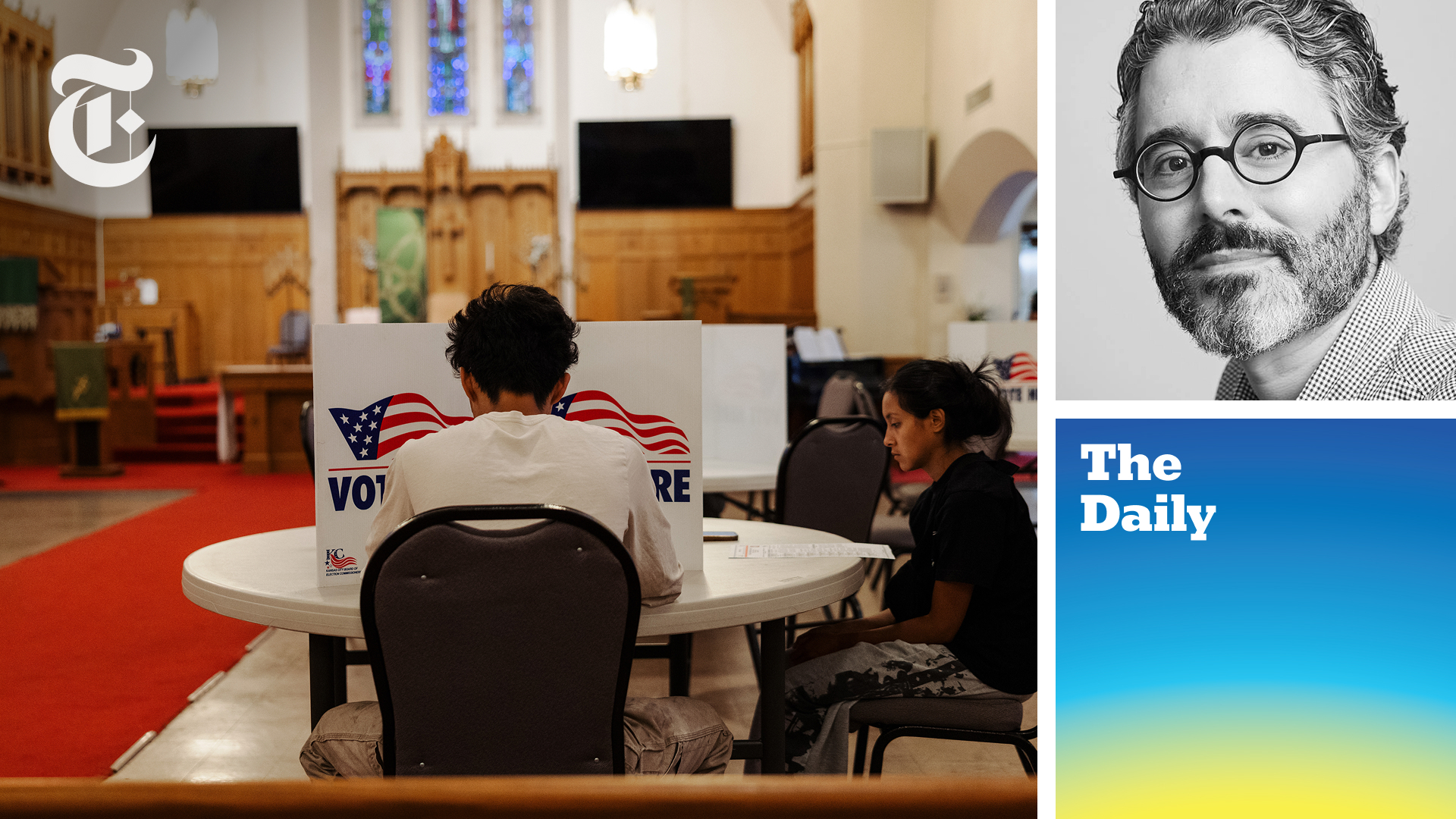
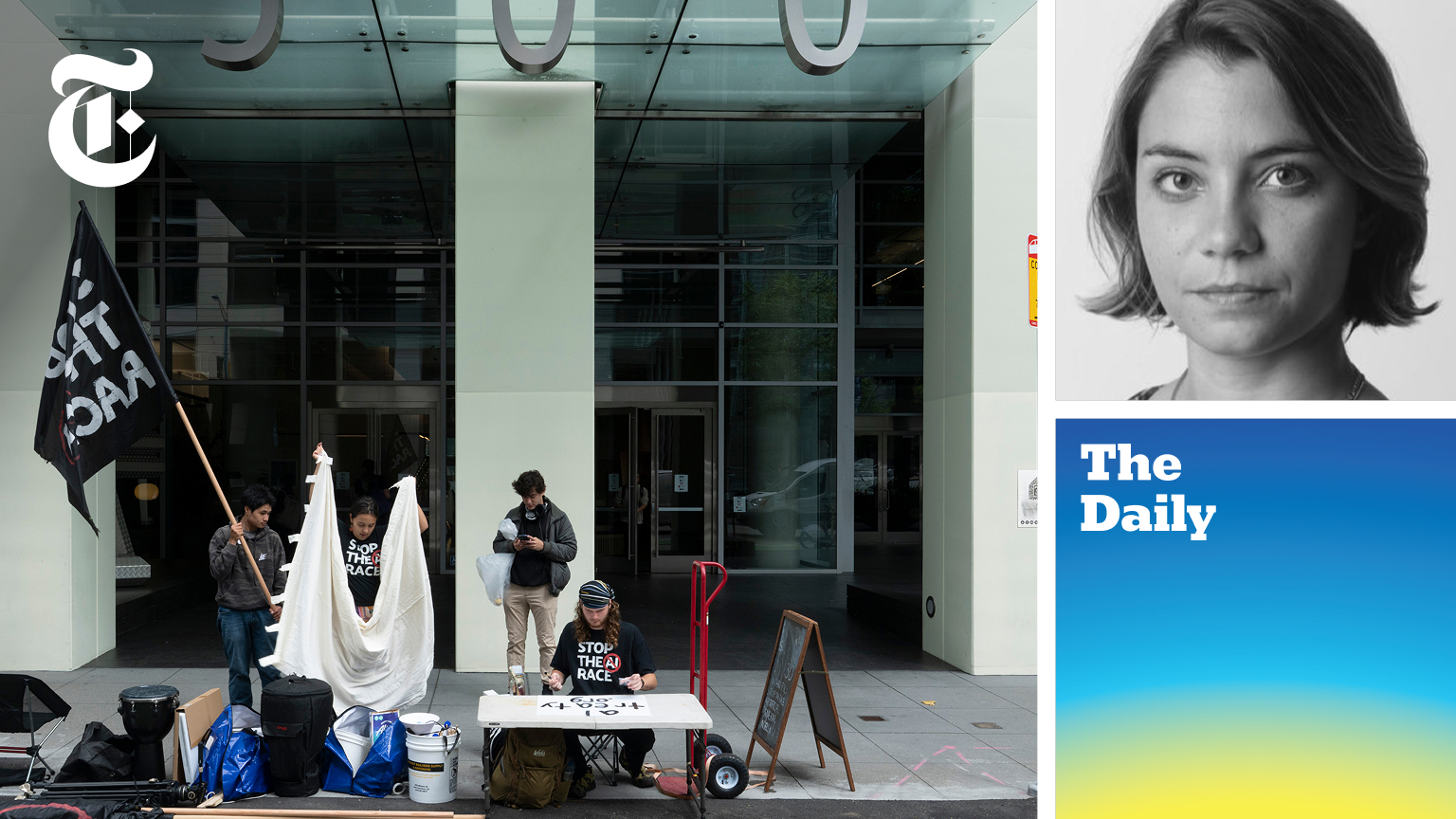
For years, a debate has been simmering in Silicon Valley over the right way to build artificial intelligence. Should it be open and free for anyone to use, or should we tightly control how it’s made and who can access it? Mike Isaac, who covers technology for The New York Times, explains why the release of two Chinese models pushed that debate to a boiling point this week, and how it could end up reshaping the future of A.I. Guest: Mike Isaac, a New York Times reporter based in the San Francisco Bay Area, covering tech companies and Silicon Valley. Background reading: Silicon Valley splits over closing the borders to Chinese A.I. What is open-weights A.I.?Photo: Hector Retamal/Agence France-Presse — Getty Images For more information on today’s episode, visit nytimes.com/thedaily. Transcripts of each episode will be made available by the next workday. Subscribe today at nytimes.com/podcasts or on Apple Podcasts and Spotify. You can also subscribe via your favorite podcast app here https://www.nytimes.com/activate-access/audio?source=podcatcher. For more podcasts and narrated articles, download The New York Times app at nytimes.com/app. Hosted by Simplecast, an AdsWizz company. See pcm.adswizz.com for information about our collection and use of personal data for advertising.
This summer, wildfires have been raging across Europe. France and Spain have been hit particularly badly, with hundreds of thousands of acres incinerated and entire communities devastated. Chico Harlan, the global climate correspondent for The New York Times, and Mark Landler, the Paris bureau chief, explain how much the continent may need to adapt to climate change. Guest:Chico Harlan, the global climate correspondent for The New York Times, covering the changing planet. Mark Landler, the Paris bureau chief of The New York Times, covering France, trans-Atlantic relations and the future of Europe.Background reading: Europe’s summer of reckoning is “just the beginning.” The fires in France and Spain have been breaking modern records.Photo: Baz Ratner/Agence France-Presse — Getty Images For more information on today’s episode, visit nytimes.com/thedaily. Transcripts of each episode will be made available by the next workday. Subscribe today at nytimes.com/podcasts or on Apple Podcasts and Spotify. You can also subscribe via your favorite podcast app here https://www.nytimes.com/activate-access/audio?source=podcatcher. For more podcasts and narrated articles, download The New York Times app at nytimes.com/app. Hosted by Simplecast, an AdsWizz company. See pcm.adswizz.com for information about our collection and use of personal data for advertising.
The American Israel Public Affairs Committee, a pro-Israel lobbying group known as AIPAC, has spent a record amount of money in this year’s midterm elections to either oust or support candidates based on their support of Israel. Jonathan Mahler, a writer for The New York Times Magazine, discusses the new litmus test for the left at a time when the United States’ relationship with Israel is under scrutiny. Guest: Jonathan Mahler, a staff writer for The New York Times Magazine covering a wide range of topics, including politics, entertainment, education, media, the law and sports. Background reading: AIPAC wants Democrats to back Israel. Instead, they’re turning on the group.Photo: Cheriss May/Sipa, via Associated Press Images For more information on today’s episode, visit nytimes.com/thedaily. Transcripts of each episode will be made available by the next workday. Subscribe today at nytimes.com/podcasts or on Apple Podcasts and Spotify. You can also subscribe via your favorite podcast app here https://www.nytimes.com/activate-access/audio?source=podcatcher. For more podcasts and narrated articles, download The New York Times app at nytimes.com/app. Hosted by Simplecast, an AdsWizz company. See pcm.adswizz.com for information about our collection and use of personal data for advertising.
Fractures in Tehran are pitting a faction favoring negotiation with Washington against hard-liners who oppose making a deal with the United States. Guest:Abdi Latif Dahir, a Middle East correspondent for The New York Times, covering Lebanon and Syria. Farnaz Fassihi, the United Nations bureau chief for The New York Times. She also covers Iran and how countries around the world deal with conflicts in the Middle East.Background reading: What a journey through wartime Iran revealed. Divisions festered within Iran over talks with the United States.Photo: Agence France-Presse — Getty Images For more information on today’s episode, visit nytimes.com/thedaily. Transcripts of each episode will be made available by the next workday. Subscribe today at nytimes.com/podcasts or on Apple Podcasts and Spotify. You can also subscribe via your favorite podcast app here https://www.nytimes.com/activate-access/audio?source=podcatcher. For more podcasts and narrated articles, download The New York Times app at nytimes.com/app. Hosted by Simplecast, an AdsWizz company. See pcm.adswizz.com for information about our collection and use of personal data for advertising.
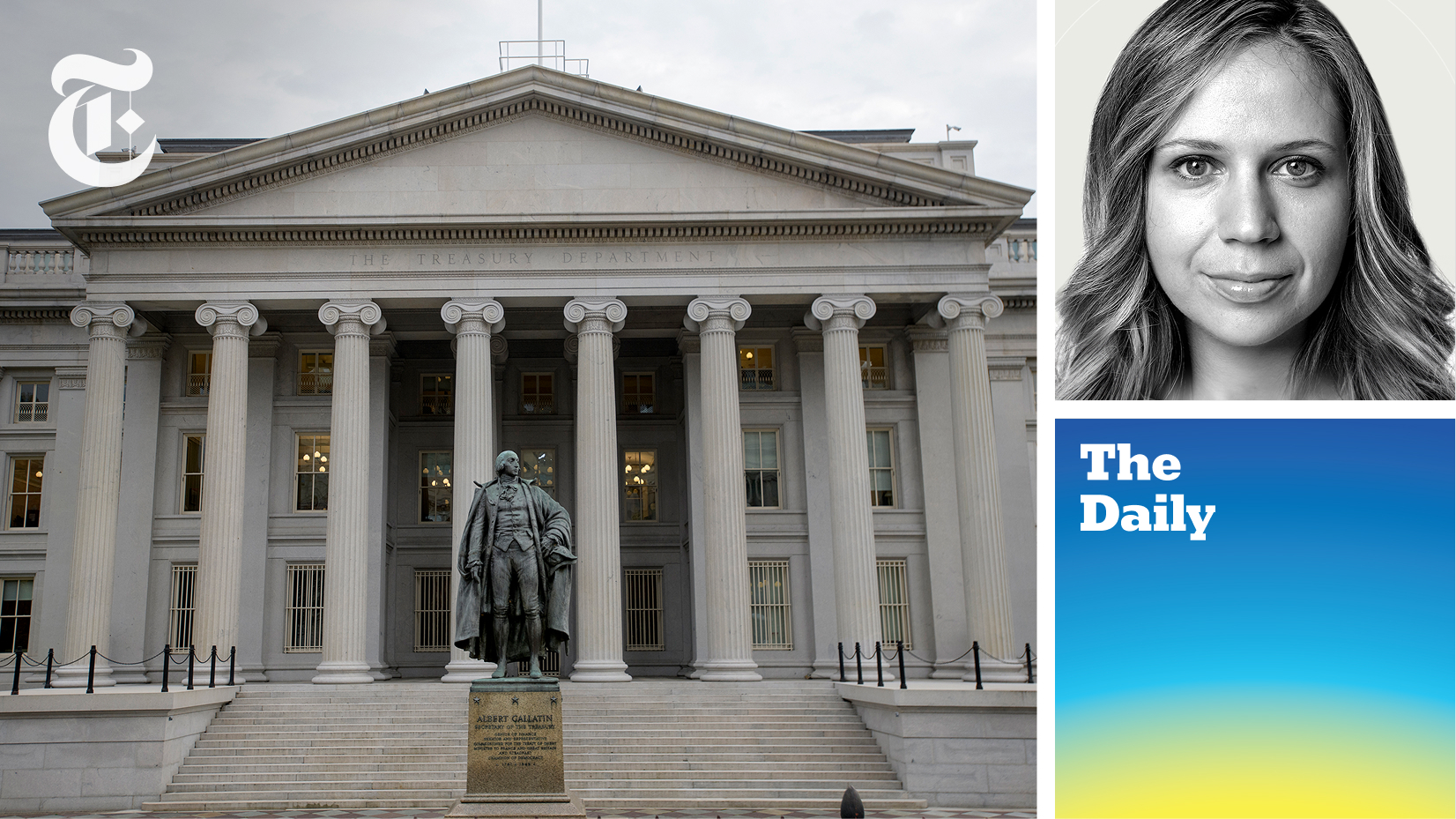
As artificial intelligence becomes more advanced, people are getting more nervous about how it could change the economy and their jobs. Ben Casselman, the chief economics correspondent for The New York Times, explains why A.I.’s impact is so hard to pin down and what we can learn from the tech disruptions of the past. Guest: Ben Casselman, the chief economics correspondent for The New York Times. Background reading: Ben Casselman, the chief economics correspondent for The New York Times.Photo: George Wylesol For more information on today’s episode, visit nytimes.com/thedaily. Transcripts of each episode will be made available by the next workday. Subscribe today at nytimes.com/podcasts or on Apple Podcasts and Spotify. You can also subscribe via your favorite podcast app here https://www.nytimes.com/activate-access/audio?source=podcatcher. For more podcasts and narrated articles, download The New York Times app at nytimes.com/app. Hosted by Simplecast, an AdsWizz company. See pcm.adswizz.com for information about our collection and use of personal data for advertising.
When the Times reporter Ellen Barry’s father developed dementia after a fall, her family spent years trying to manage his erratic behavior and confusion. They struggled to convince him that he was home, he was safe, and he shouldn’t try to leave. The experience was exasperating and impossible to understand. Today, Ellen tells the story of those years, and of how she discovered scientific research that helped explain everything her family had lived through — research that could potentially help to save precious memories from being lost forever. On Today’s Episode Ellen Barry, a mental health reporter for The New York Times Background Reading When My Father’s Canary Flew Away Subscribe today at nytimes.com/podcasts or on Apple Podcasts and Spotify. You can also subscribe via your favorite podcast app here https://www.nytimes.com/activate-access/audio?source=podcatcher. For more podcasts and narrated articles, download The New York Times app at nytimes.com/app. Hosted by Simplecast, an AdsWizz company. See pcm.adswizz.com for information about our collection and use of personal data for advertising.
NPR News: 08-01-2026 2PM EDTSee pcm.adswizz.com for information about our collection and use of personal data for sponsorship and to manage your podcast sponsorship preferences.NPR Privacy Policy
NPR News: 08-01-2026 1PM EDTSee pcm.adswizz.com for information about our collection and use of personal data for sponsorship and to manage your podcast sponsorship preferences.NPR Privacy Policy
NPR News: 08-01-2026 12PM EDTSee pcm.adswizz.com for information about our collection and use of personal data for sponsorship and to manage your podcast sponsorship preferences.NPR Privacy Policy
For most of us, war is something we witness from a distance. For Sally Hayden, it's become her life's work. This week, Claire Byrne meets the award-winning Irish journalist whose reporting has taken her from refugee camps to conflict zones across almost 40 countries. Together they explore what it means to live in or return to places most people are desperate to escape, how ordinary people endure extraordinary circumstances, and why telling those stories still matters. Sally reflects on fear, resilience, the emotional toll of bearing witness, and the moments of humanity, humour and hope that survive even in the darkest places. And Claire wonders: can anyone truly prepare themselves for a career spent documenting war? This Is Also A Love Story by Sally Hayden is published by 4th Estate.
Festival camping has never made sense to Claire Byrne. Sleepless nights in tents, mud, queues for the toilets... Why would anyone willingly swap the comforts of home for a damp field? So, at the height of festival season, Claire sets out to discover what she's been missing. Her guide is Philip Meagher – solicitor by day, music obsessive by nature, and the founder of Forest Fest in Emo, Co. Laois. Philip took a remarkable gamble, investing his own money to build a festival designed for people who still love live music but don't necessarily want to rough it. Can Philip persuade one lifelong sceptic that sleeping in a tent is a small price to pay for the magic that happens when thousands of strangers come together for one unforgettable weekend? Or will festival camping stay firmly on Claire's "Never Have I Ever" list? 📧 Have a suggestion for something Claire should try next? Email: never@newstalk.com 🎪 Find out more about Forest Fest: https://forestfest.ie/ 🍺 With thanks to Ballykilcavan Brewery for hosting this episode: https://www.ballykilcavan.com/
Consultant paediatric surgeon Jennifer Billington takes Claire Byrne behind the operating theatre doors, sharing what it's really like to operate on babies and children, where every millimetre matters and every decision carries enormous responsibility. From fighting for her place in medical school after missing the points twice, to operating on some of the smallest and sickest children, Jenny reveals the pressure, privilege, and humanity behind the surgical mask. Can Claire overcome her squeamishness? Jenny offers a gentler first step – watching real surgical procedures on video. Could this be one "Never Have I Ever" that's about to become a "Maybe..."? Email the podcast on never@newstalk.com.
Το Αυτόφωρο είναι μια ανεξάρτητη φωνή που γεννήθηκε από την ανάγκη για κοινωνική δικαιοσύνη, ισότητα και ουσιαστική στήριξη των πιο ευάλωτων. Σε έναν κόσμο όπου οι ανισότητες επιμένουν, επιλέγουμε να μην μένουμε σιωπηλοί.
Επικοινωνήστε μαζί μας μέσω email για περισσότερες πληροφορίες σχετικά με τη διαφήμιση στον ιστότοπό μας ή για οποιαδήποτε άλλη ερώτηση.info@aftoforo.com